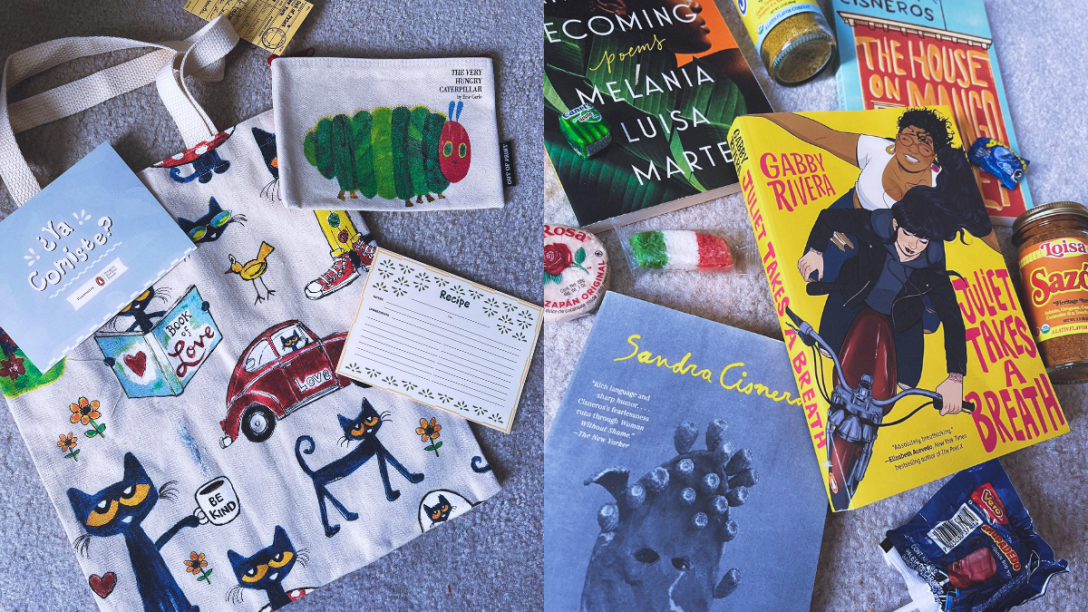
One of the best perks of being a Penguin Random House employee ambassador is the free books and bookish merch, and this is my (and my partner’s) favorite book unboxing yet.
My partner is from the Dominican Republic, and I already used some of the goodies in this box to make habichuelas, one of our favorite dishes. (Check out this recipe from My Dominican Kitchen!) He also snagged some of the candy already.
What is ¿Ya comiste?
For many Latine families, the phrase “¿Ya comiste?” is more than a question about food; it is an expression of love, care, and connection. It signals that you belong. Penguin Random House transforms that universal sentiment into a vibrant new digital series that explores the powerful relationship between meals, memories, culture, and creativity. Check out the trailer below and take the first bite!
Here are the books included in my ¿Ya comiste? box!
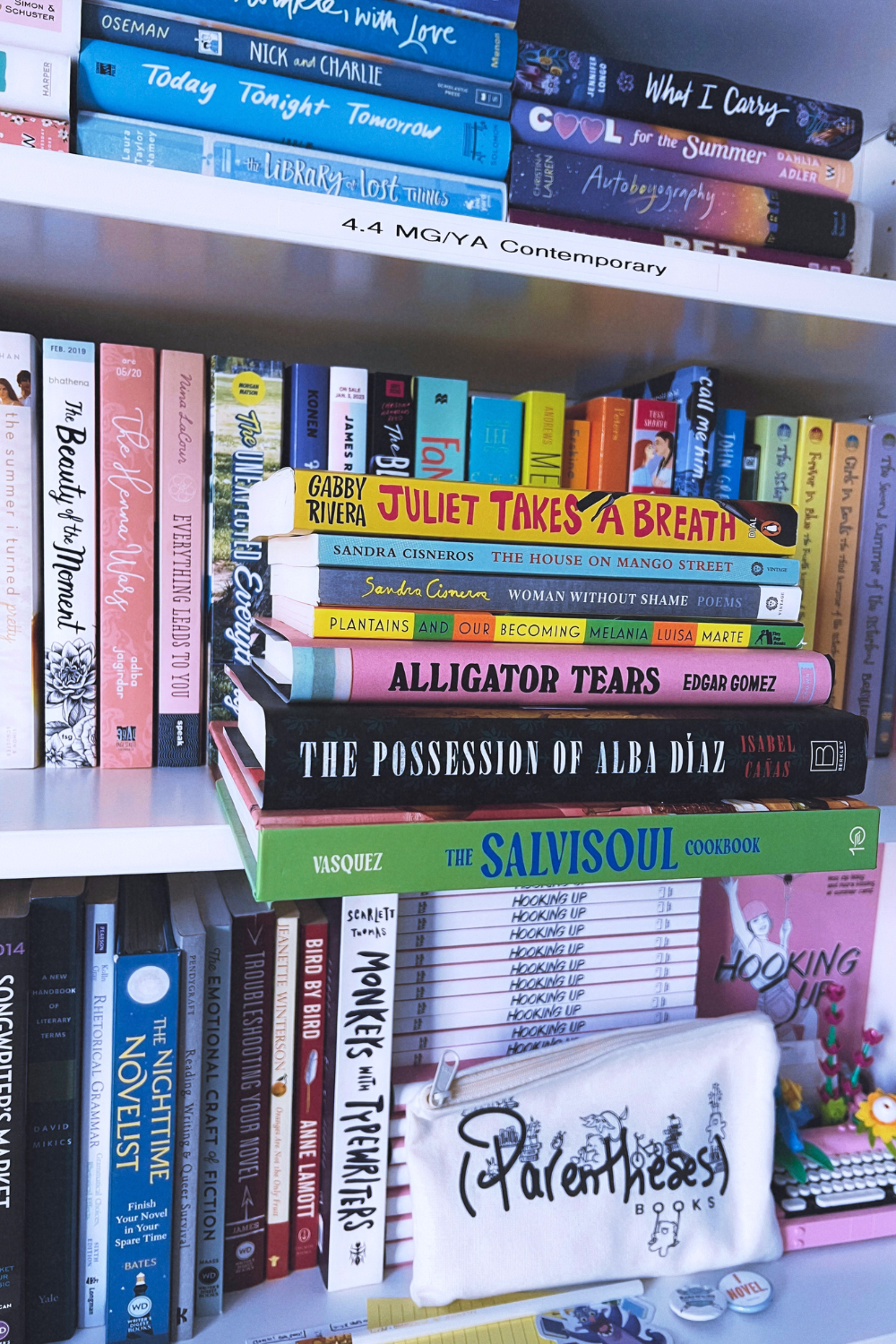
1. Juliet Takes a Breath
By Gabby Rivera
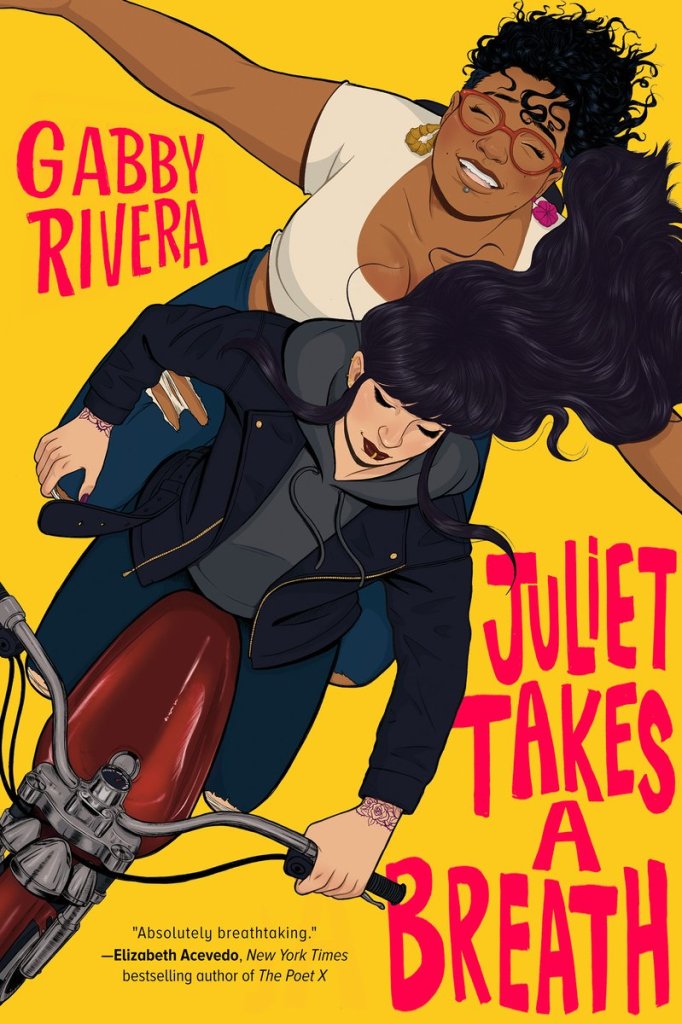
“F***ing outstanding.”—Roxane Gay, New York Times bestselling author
“Rivera captures both the disappointments and the possibilities that come with realizing that your life’s solution cannot be figured out by someone else.”—The New York Times Book Review
Juliet Milagros Palante is a self-proclaimed closeted Puerto Rican baby dyke from the Bronx. Only, she’s not so closeted anymore. Not after coming out to her family the night before flying to Portland, Oregon, to intern with her favorite feminist writer–what’s sure to be a life-changing experience. And when Juliet’s coming out crashes and burns, she’s not sure her mom will ever speak to her again.
But Juliet has a plan–sort of. Her internship with legendary author Harlowe Brisbane, the ultimate authority on feminism, women’s bodies, and other gay-sounding stuff, is sure to help her figure out this whole “Puerto Rican lesbian” thing. Except Harlowe’s white. And not from the Bronx. And she definitely doesn’t have all the answers . . .
In a summer bursting with queer brown dance parties, a sexy fling with a motorcycling librarian, and intense explorations of race and identity, Juliet learns what it means to come out–to the world, to her family, to herself.
2. The House on Mango Street
By Sandra Cisneros
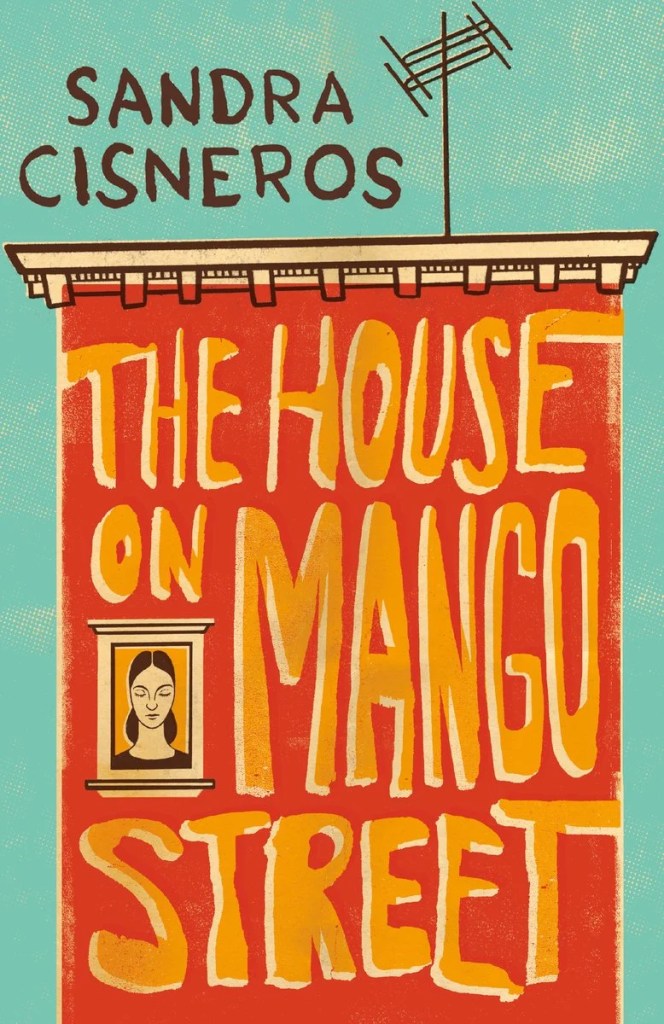
“Cisneros draws on her rich [Latino] heritage…and seduces with precise, spare prose, creat[ing] unforgettable characters we want to lift off the page. She is not only a gifted writer, but an absolutely essential one.” —The New York Times Book Review
The House on Mango Street is one of the most cherished novels of the last fifty years. Readers from all walks of life have fallen for the voice of Esperanza Cordero, growing up in Chicago and inventing for herself who and what she will become. “In English my name means hope,” she says. “In Spanish it means too many letters. It means sadness, it means waiting.”
Told in a series of vignettes—sometimes heartbreaking, sometimes joyous—Cisneros’s masterpiece is a classic story of childhood and self-discovery and one of the greatest neighborhood novels of all time. Like Sinclair Lewis’s Main Street or Toni Morrison’s Sula, it makes a world through people and their voices, and it does so in language that is poetic and direct. This gorgeous coming-of-age novel is a celebration of the power of telling one’s story and of being proud of where you’re from.
3. Woman Without Shame
By Sandra Cisneros
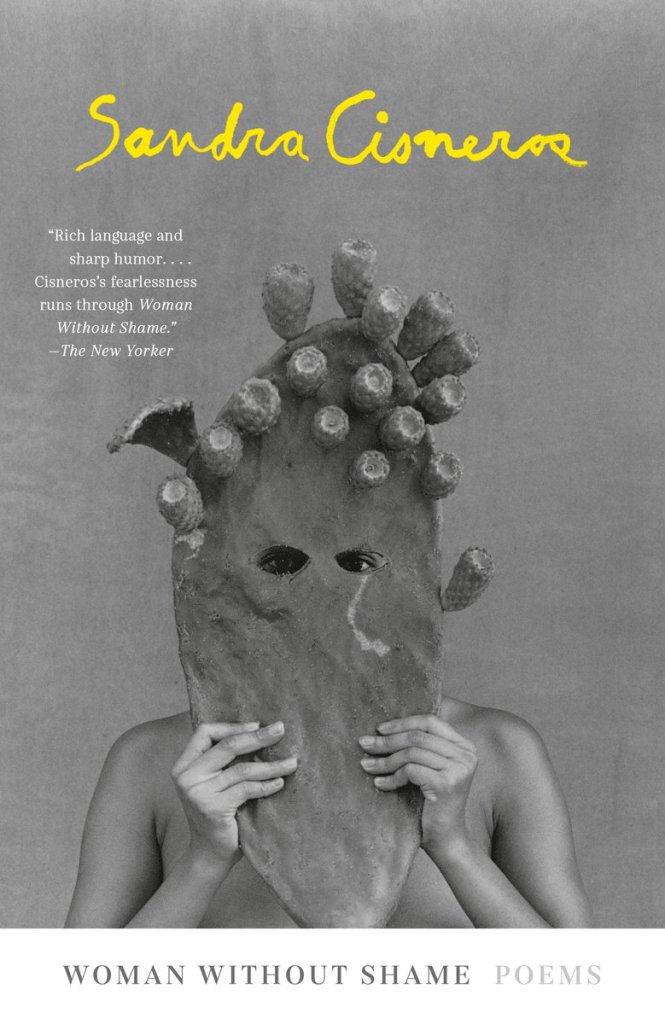
A brave collection of poems from Sandra Cisneros, the best-selling author of The House on Mango Street.
It has been twenty-eight years since Sandra Cisneros published her last book of poetry. With dozens of never-before-seen poems, Woman Without Shame is a moving collection of songs, elegies, and declarations that chronicle her pilgrimage toward rebirth and the recognition of her prerogative as a woman artist. These bluntly honest and often humorous meditations on memory, desire, and the essential nature of love blaze a path toward self-awareness. For Cisneros, Woman Without Shame is the culmination of her search for home—in the Mexico of her ancestors and in her own heart.
4. Plantains and Our Becoming
By Melania Luisa Marte
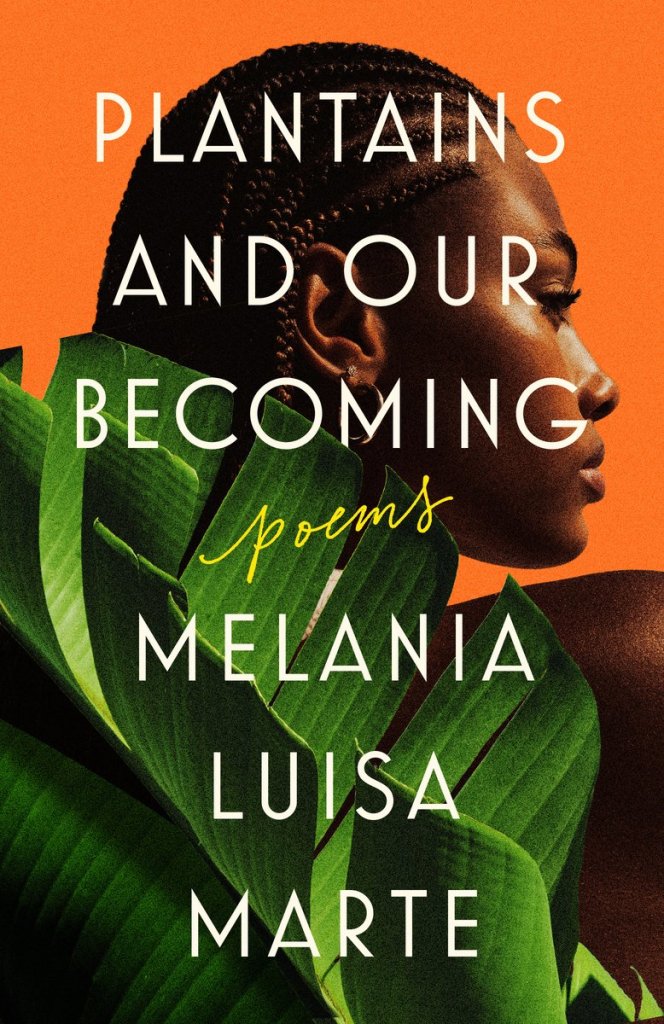
A rousing, beautifully observed, and tender-hearted debut poetry collection about identity, culture, home, and belonging—for fans of Jasmine Mans and Fatimah Asghar
“We, children of plátanos, always gotta learn to play in everyone else’s backyard and somehow feel at home.”
Poet and musician Melania Luisa Marte opens PLAINTAINS AND OUR BECOMING by pointing out that Afro-Latina is not a word recognized by the dictionary. But the dictionary is far from a record of the truth. What does it mean, then, to tend to your own words and your own record—to build upon the legacies of your ancestors?
In this imaginative, blistering poetry collection, Marte looks at the identities and histories of the Dominican Republic and Haiti to celebrate and center the Black diasporic experience. Through the exploration of themes like self-love, nationalism, displacement, generational trauma, and ancestral knowledge, this collection uproots stereotypes while creating a new joyous vision for Black identity and personhood.
Moving from New York to Texas to the Dominican Republic and to Haiti, this collection looks at the legacies of colonialism and racism but never shies away from highlighting the beauty—and joy—that comes from celebrating who you are and where you come from. Plantains and Our Becoming is “a full-throated war cry; both a request for anointment and the responding bendición” (Elizabeth Acevedo).
5. Alligator Tears: A Memoir in Essays
By Edgar Gomez
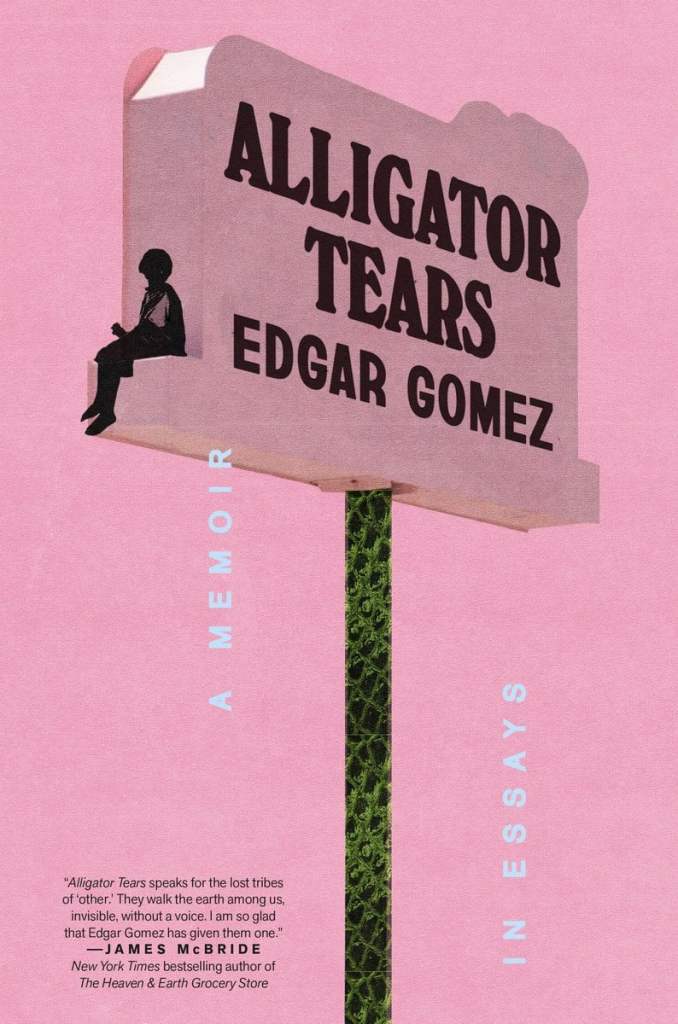
A darkly comic memoir-in-essays about the scam of the American Dream and doing whatever it takes to survive in the Sunshine State—from the award-winning author of High-Risk Homosexual.
In Florida, one of the first things you’re taught as a child is that if you’re ever chased by a wild alligator, the only way to save yourself is to run away in zigzags. It’s a lesson on survival that has guided much of Edgar Gomez’s life.
Like the night his mother had a stroke while he and his brother stood frozen at the foot of her bed, afraid she’d be angry if they called for an ambulance they couldn’t afford. Gomez escaped into his mind, where he could tell himself nothing was wrong with his family. Zig. Or years later, as a broke college student, he got on his knees to put sandals on tourists’ smelly, swollen feet for minimum wage at the Flip Flop Shop. After clocking out, his crew of working-class, queer, Latinx friends changed out of their uniforms in the passenger seats of each other’s cars, speeding toward the relief they found at Pulse nightclub in Orlando. Zag. From committing a little bankruptcy fraud for the money for veneers to those days he paid his phone bill by giving massages to closeted men on vacation, back when he and his friends would Venmo each other the same emergency twenty dollars over and over. Zig. Zag. Gomez survived this way as long as his legs would carry him.
Alligator Tears is a fiercely defiant memoir-in-essays charting Gomez’s quest to claw his family out of poverty by any means necessary and exposing the archetype of the humble poor person for what it is: a scam that insists we remain quiet and servile while we wait for a prize that will always be out of reach. For those chasing the American Dream and those jaded by it, Gomez’s unforgettable story is a testament to finding love, purpose, and community on your own terms, smiling with all your fake teeth.
6. The Possession of Alba Díaz
By Isabel Cañas
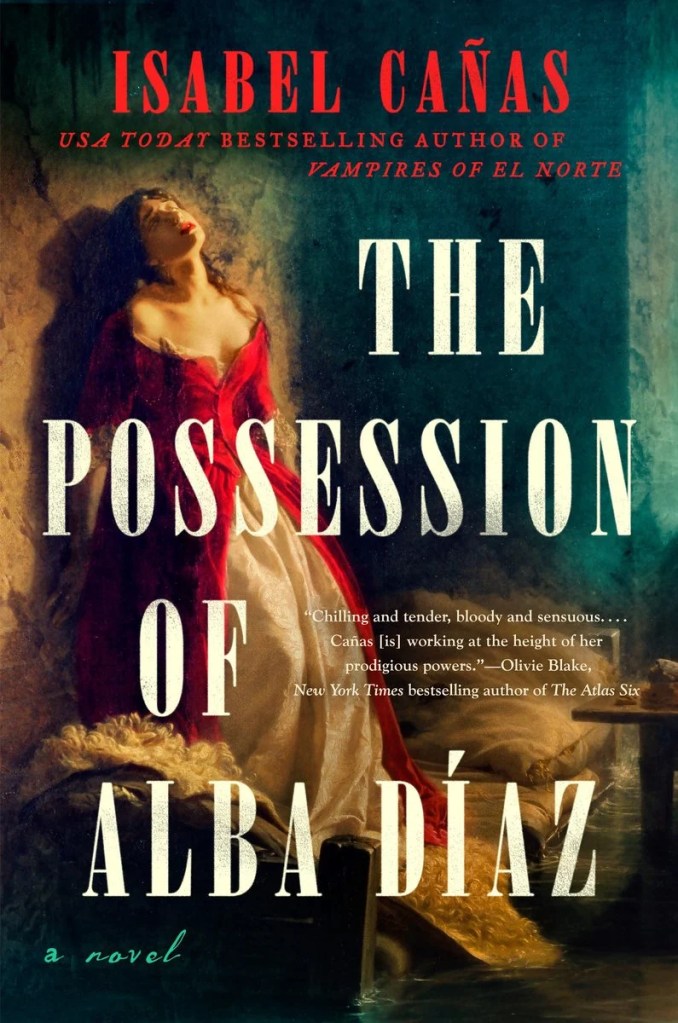
When a demonic presence awakens deep in a Mexican silver mine, the young woman it seizes must turn to the one man she shouldn’t trust…from bestselling author Isabel Cañas.
In 1765, plague sweeps through Zacatecas. Alba flees with her wealthy merchant parents and fiancé, Carlos, to his family’s isolated mine for refuge. But safety proves fleeting as other dangers soon bare their teeth: Alba begins suffering from strange hallucinations, sleepwalking, and violent convulsions. She senses something cold lurking beneath her skin. Something angry. Something wrong.
Elías, haunted by a troubled past, came to the New World to make his fortune and escape his family’s legacy of greed. Alba, as his cousin’s betrothed, is none of his business. Which is of course why he can’t help but notice the growing tension between them every time she enters the room…and why he notices her deteriorate when the demon’s thirst for blood gets stronger.
In the fight for her life, Alba and Elías become entangled with the occult, the Church, long-kept secrets, and each other…not knowing that one of these things will spell their doom.
7. The SalviSoul Cookbook: Salvadoran Recipes and the Women Who Preserve Them
By Karla Tatiana Vasquez
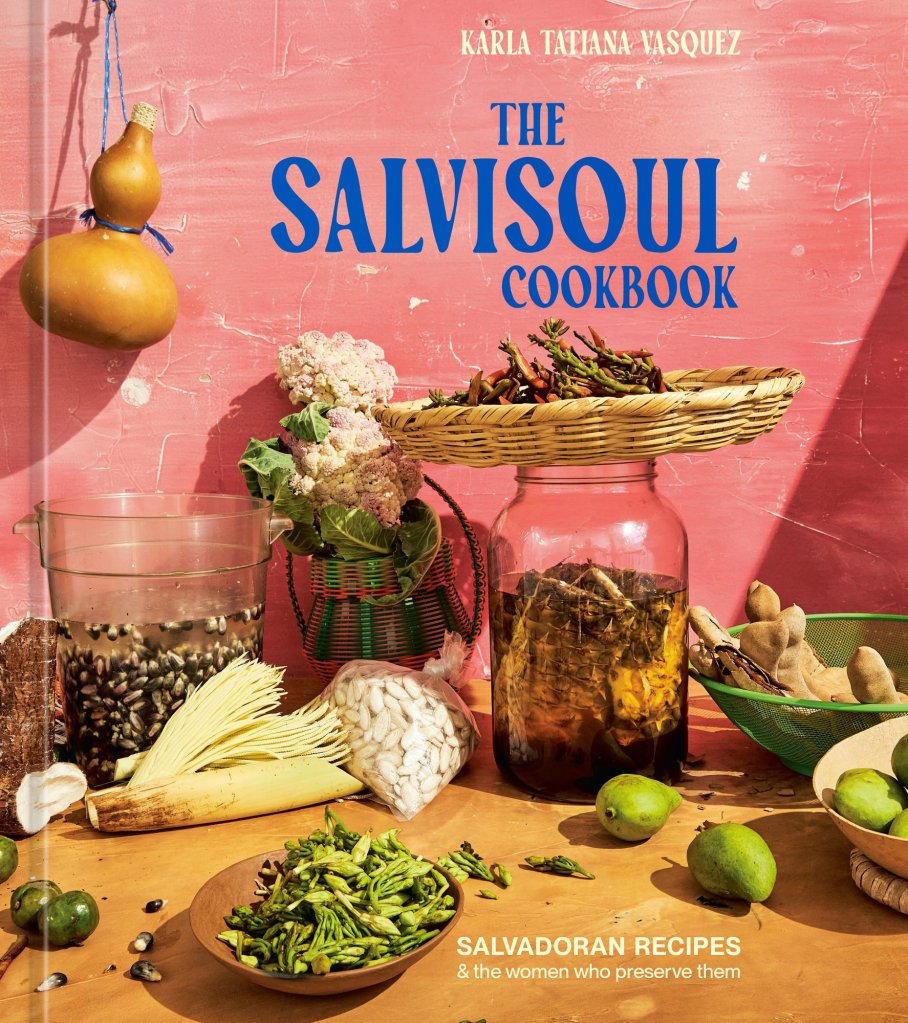
A beautifully photographed cookbook that celebrates the vibrant culture and community of El Salvador through 80 recipes and stories from twenty-five Salvadoran women.
“A heartfelt tribute to heritage, a testament to the power of storytelling, and an invitation to savor the true essence of El Salvador, one delicious recipe at a time.”—Hawa Hassan, James Beard Award–winning author of In Bibi’s Kitchen
In search of the recipes and traditions that made her feel at home, food historian and Salvadoran Karla Tatiana Vasquez took to the internet to find the dishes her mom made throughout her childhood. But when she couldn’t find any, she decided to take matters into her own hands. What started as a desire to document recipes turned into sharing the joys, histories, and tribulations of the women in her life.
In this collection of eighty recipes, Karla shares her conversations with moms, aunts, grandmothers, and friends to preserve their histories so that they do not go unheard. Here are recipes for Rellenos de Papa from Patricia, who remembers the Los Angeles earthquakes of the 1980s for more reasons than just fear; Flor de Izote con Huevos Revueltos, a favorite of Karla’s father; as well as variations on the beloved Salvadoran Pupusa, a thick masa tortilla stuffed with different combinations of pork, cheese, and beans. Though their stories vary, the women have a shared experience of what it was like in El Salvador before the war, and what life was like as Salvadoran women surviving in their new home in the United States.
Have you read any of these books?

 Morgan Vega